
数智碳管理平台在物流企业中的采纳研究
首发时间:2025-11-11
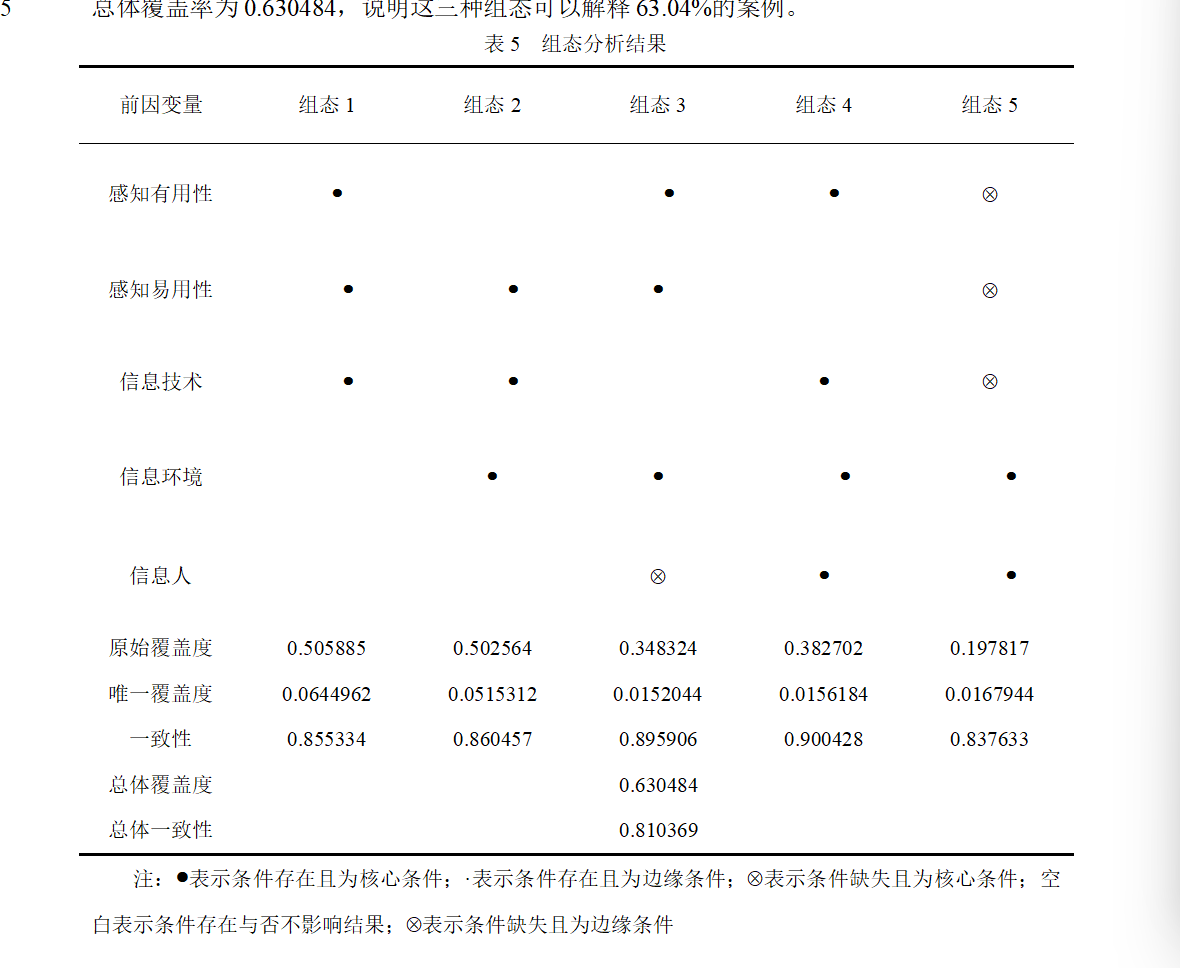
摘要:[目的/意义]数智碳管理平台的研究主要源于全球绿色低碳转型的大趋势以及数字技术的迅猛发展。随着全球气候变化问题的日益严峻,绿色低碳发展成为国际社会普遍共识。为了实现经济的可持续发展,各国政府和企业都在积极寻求减少碳排放、提高能源利用效率的途径。而数字技术,包括大数据、物联网、人工智能等,以其独特的优势,在促进能源结构优化、提升资源利用效率、减少碳排放等方面展现出巨大潜力。[方法/过程]本研究聚焦于数智碳管理平台在物流企业中的采纳问题通过综合应用修正后的技术接受模型(TAM)、结构方程模型(SEM)以及模糊集定性比较分析(fsQCA)方法,深入探讨了影响平台采纳的关键因素及其相互作用机制。研究发现,感知有用性、感知易用性、技术维度和环境维度均对用户的采纳行为产生显著影响。其中,平台的兼容性和易用性设计是提升用户接受度的关键,而组织支持、政策环境等因素也在不同程度上塑造了用户的认知和行为。通过fsQCA分析,形成了五种条件组态,这些组态展示了不同因素在推动数智碳管理平台采纳中的综合作用。基于以上发现,本研究为物流企业推动平台采纳提供了政策建议和实践指导,包括关注平台设计、加强组织内部培训和支持、以及考虑引入强制性措施等。这些建议有助于物流企业更好地利用数智碳管理平台实现绿色转型,提高运作效率和可持续性
关键词: 关数智碳管理平台 结构方程模型(SEM) 模糊集定性比较分析(fsQCA) 平台采纳
For information in English, please click here
The adoption research of digital carbon management platforms in logistics enterprises
Abstract:[Purpose/Significance] The research on the digital-intelligent carbon management platform primarily stems from the global trend of green and low-carbon transition and the rapid development of digital technologies. As climate change issues become increasingly severe worldwide, green and low-carbon development has emerged as a universal consensus within the international community. Governments and enterprises are actively seeking pathways to reduce carbon emissions and enhance energy efficiency to achieve sustainable economic development. Digital technologies, including big data, the Internet of Things, and artificial intelligence, demonstrate significant potential in optimizing energy structures, improving resource utilization efficiency, and reducing carbon emissions through their unique advantages. This study focuses on the adoption of digital-intelligent carbon management platforms in logistics enterprises. By integrating the modified Technology Acceptance Model (TAM), Structural Equation Modeling (SEM), and fuzzy-set Qualitative Comparative Analysis (fsQCA), it systematically explores critical factors influencing platform adoption and their interaction mechanisms. Findings reveal that perceived usefulness, perceived ease of use, technological dimensions, and environmental dimensions all significantly impact user adoption behavior. Specifically, platform compatibility and ease-of-use design are pivotal in enhancing user acceptance, while organizational support and policy environment shape user cognition and behavior to varying degrees. The fsQCA analysis identifies five conditional configurations that illustrate the synergistic effects of different factors in driving platform adoption. Based on these findings, the study provides policy recommendations and practical guidance for logistics enterprises, including optimizing platform design, strengthening internal training and organizational support, and considering mandatory measures. These suggestions aim to help logistics enterprises better leverage digital-intelligent carbon management platforms to achieve green transformation, operational efficiency, and sustainability
Keywords: kdigital-intelligent carbon management platform Structural Equation Modeling (SEM) fuzzy-set Qualitative Comparative Analysis (fsQCA) platform adoption
基金:
论文图表:
引用


No.****
动态公开评议
共计0人参与
勘误表
数智碳管理平台在物流企业中的采纳研究
中国科技论文在线 版权所有
网站地图|
在线首页|
在线简介|
服务条款|
联系我们

京公网安备 11040202430024号 京ICP备15006316号-2| 网络出版服务许可证 (总)网出证(京)字第083号 | 文保网安备案号:1101080066
 提示


 .txt
 .ris
 .doc
评论
全部评论